At a glance
Reference netNotdienst at a glance
netNotdienst is one of our most important references when we want to demonstrate that we are strong beyond classic screen-based software. This solution connects client, server, the hardware unit, network, code logic, printing, and defined status transitions within a real pharmacy operation. Projects like these show whether software is merely presented—or whether it can actually take responsibility in day-to-day work.
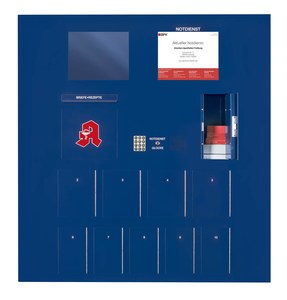
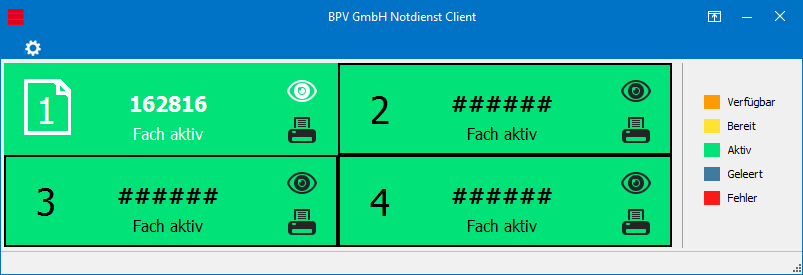
Client, server, hardware, and status logic as a unified system
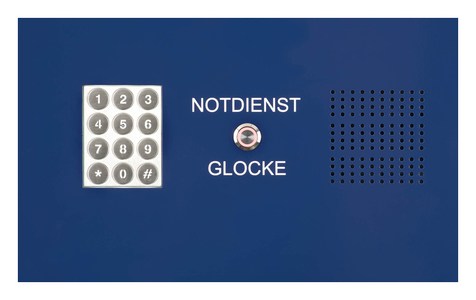
The publicly documented BPV solution describes a clear two-component model. The server runs on the display computer, manages the pickup locker system, shows the emergency service during idle mode, and provides visual feedback to the customer upon interaction. The client runs on POS or workstation computers and maps the actual operating logic for staff: reserve a compartment, assign a code, print a receipt, place the goods inside, and advance the status.
The status logic is particularly strong. A compartment is not simply open or closed; it moves through defined states such as available, ready, active, and emptied. This turns a physical box into a controlled digital process. Staff always know the state of a delivery, the customer receives a clear feedback channel, and operating errors are technically made more difficult.
Added to this is the security logic around pickup codes, waiting times, expiring codes, and logging. Details like these turn a unit into a robust operating system for a real process. Especially for clients, this is a strong signal: we don’t build decorative digitizations—we build systems that have to handle real risks, real actions, and real consequences of mistakes.
From an infrastructure perspective, the reference is equally clear. Communication runs over the local network via TCP/IP, by default on port 8080, with a sensible recommendation for a fixed IP on the display computer. In addition, there are print paths for the pickup receipt and a customizable receipt design. It is exactly these operational details that separate calm enterprise software from hectic rework.
- Server on the display computer as the technical lead for system, feedback, and process state
- Client on POS and workstation computers for fast, clear operation by staff
- clear domain statuses instead of vague operating sequences: available, ready, active, and emptied
- code logic, receipt printing, network paths, and hardware integration as part of the same architecture
Why netNotdienst sells so strongly as a reference
Real processes instead of theoretical software logic
netNotdienst shows that we deliver robust solutions even where software does not just display data, but drives real processes, integrates devices, and must remain easy to operate for people in a high-pressure day-to-day situation.
Relevant far beyond the pharmacy
The pharmacy is only the visible field of use here. The same competence is required in all projects involving workstations, devices, fixed status transitions, approvals, codes, printing, and logged process steps.
Trust through technical calm
Anyone who sees that we implement such a solution cleanly and calmly immediately understands that we do not just build content pages or simple forms, but operationally relevant applications with real responsibility.
netNotdienst as a reference for operations-close enterprise software
If your own project works with devices, clear state models, feedback logic, networking, and security-relevant process steps, netNotdienst makes it very clear that we can carry exactly such systems professionally and technically.
Continue reading the matching FAQ for netNotdienst
The questions behind netNotdienst usually go beyond the reference itself: services, portals, system boundaries, operational responsibility, and technical process control are covered in more depth in the FAQ hub.
Read more related FAQs about netNotdienst
The questions behind netNotdienst usually go beyond the reference itself: services, portals, system boundaries, operational responsibility, and technical process ownership are covered in more depth in the FAQ hub.